What Is Vibe Coding? The Complete Beginner's Guide
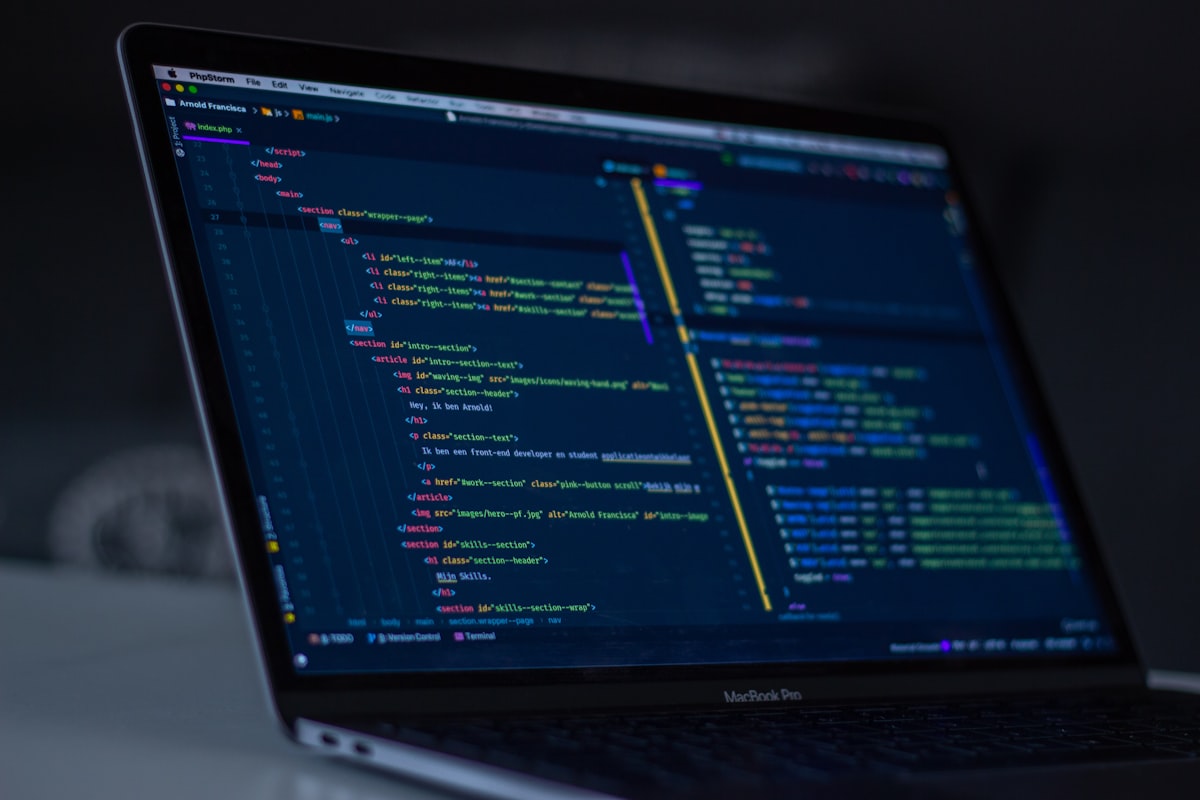
Vibe coding is the practice of building software using natural language and AI tools instead of writing traditional code. Here's everything you need to know to get started.
What Is Vibe Coding?
Vibe coding is the practice of building real software -- web apps, mobile apps, internal tools, APIs -- using natural language prompts and AI coding tools instead of writing traditional code by hand.
The term was coined by Andrej Karpathy, former Director of AI at Tesla and co-founder of OpenAI, in a February 2025 post: "There's a new kind of coding I call 'vibe coding' where you fully give in to the vibes, embrace exponentials, and forget that the code even exists."
Instead of learning syntax, frameworks, and programming paradigms, you describe what you want to build in plain English, and AI tools like Replit Agent, Cursor, Claude Code, or Lovable generate the code for you. You direct, review, and refine. The AI does the heavy lifting.
This is not a metaphor. We are talking about shipping production-ready web applications, full backends with databases, and mobile apps -- built entirely through conversation.
Why It Matters Now
For most of computing history, building software required years of training in programming languages, frameworks, databases, and deployment pipelines. This created a massive gap between people who had ideas and people who could build them.
That gap has collapsed.
A non-technical founder can now ship an MVP in a weekend. A healthcare administrator can build an internal dashboard without waiting months for an IT project to be prioritized. A teacher can create a custom learning tool for their students without hiring a developer. A hotel manager can build a guest request tracking system in an afternoon.
This is not a marginal improvement. It is a fundamental shift in who gets to build software -- and by extension, who gets to create value in the digital economy.
The economic implications are significant. Forrester Research estimates that enterprise software development costs could fall by 60-70% over the next five years as vibe coding tools mature. For small businesses and non-technical professionals, the change is even more dramatic: the cost of an MVP goes from $50,000+ to a weekend of focused work.
The Core Vibe Coding Tools
Replit Agent is the most beginner-friendly vibe coding environment available today. You describe what you want to build in plain language, and the Agent scaffolds a complete application -- frontend, backend, database, and hosting -- without any local setup. It runs entirely in the browser, which means no installation, no configuration, and no DevOps knowledge required. For professionals who want to go from idea to working app as quickly as possible, Replit is the starting point.
Cursor is a code editor with deep AI integration. Unlike Replit, it is aimed at people who have some coding familiarity and want AI assistance while maintaining full visibility and control over the underlying codebase. The AI can write, edit, explain, and refactor code based on your instructions, and you see everything it does.
Claude Code is Anthropic's terminal-based coding agent. It reads your entire codebase, understands its architecture, plans multi-step implementations, and executes them with a level of sophistication that handles genuinely complex engineering tasks. It is best suited for people comfortable working in a terminal and managing code repositories.
Lovable and Bolt are browser-based tools optimized for generating clean, modern frontend interfaces rapidly. They excel at producing polished UI designs from natural language descriptions, though they have more limited backend capabilities than Replit.
GitHub Copilot integrates AI code suggestions directly into your existing editor (VS Code, JetBrains, etc.). It is less a "vibe coding" tool and more an AI pair programmer -- better suited for developers who want AI acceleration within an existing coding workflow.
What You Can Build
With the vibe coding tools available today, you can realistically build:
These are not just prototypes or MVPs. Teams at companies like Shopify, Stripe, and Linear have reported using vibe coding tools to ship features in hours that would previously have taken days.
The important caveat: complexity still matters. A simple contact form with a database is achievable in 30 minutes. A full e-commerce platform with payments, inventory management, and order fulfillment takes much longer and benefits from someone who understands software architecture. The tools handle more than ever before, but they are still most effective when the person directing them has a clear picture of what they want to build.
The Skill You Are Actually Building
Here is what most vibe coding tutorials miss: the bottleneck is not the AI. The bottleneck is you.
Vibe coding does not eliminate the need for skill -- it changes what skill is required. Instead of knowing how to write a SQL query, you need to know what data you need and how it relates to other data. Instead of knowing how to configure a server, you need to understand what a server does and what you need it to do for your application. Instead of reading error messages in code, you need to describe the problem clearly enough that the AI can locate and fix it.
This is a different skill set from traditional programming, but it is absolutely a skill set. People who pick up vibe coding tools and get frustrated typically have one of two problems: their prompts are too vague, or they do not have a clear enough mental model of what they are building.
The skill you are building with vibe coding is directorial competence -- the ability to specify what you want with enough precision that an AI system can execute it correctly, review the output critically, identify what needs to change, and communicate those changes effectively.
This is a learnable skill. It is also a transferable skill. The same clarity of thinking that makes you a good vibe coder also makes you a better product manager, a better client for a development team, and a better entrepreneur.
Getting Started: A Practical First Project
The fastest way to experience vibe coding is to build something concrete and immediately useful. Here are some starter project ideas that work well for beginners:
Pick one. Open Replit. Describe it in 3-4 specific sentences. Watch what happens.
When the first build comes back, do not expect perfection. Expect a working foundation. From there, you iterate: adjust the design, add features, fix things that do not quite work. Each iteration is a prompt. Each prompt is an opportunity to practice describing what you want more precisely.
How Vibecademy Teaches This
Vibecademy is built around the practical reality that vibe coding is the most important professional skill of the next decade -- and that learning it from YouTube tutorials and documentation alone is slow and inefficient.
Our courses are structured around real projects, not abstract concepts. You learn by building things you actually want to exist, with instructors who can unblock you when you get stuck. Our live sessions give you access to feedback in real time. Our community gives you peers who are working through the same learning curve.
The goal is not to teach you to become a software engineer. It is to make you genuinely capable of building and deploying software that solves real problems in your professional life -- and to understand AI tools well enough to use them across every domain of your work.
The best time to start was a year ago. The second best time is today.
Keep Learning
Build AI Tools with Replit
Go from idea to working app -- learn to vibe code real software with AI.
Related Articles